
10 Types of Pizza Crusts – Which One is Better?
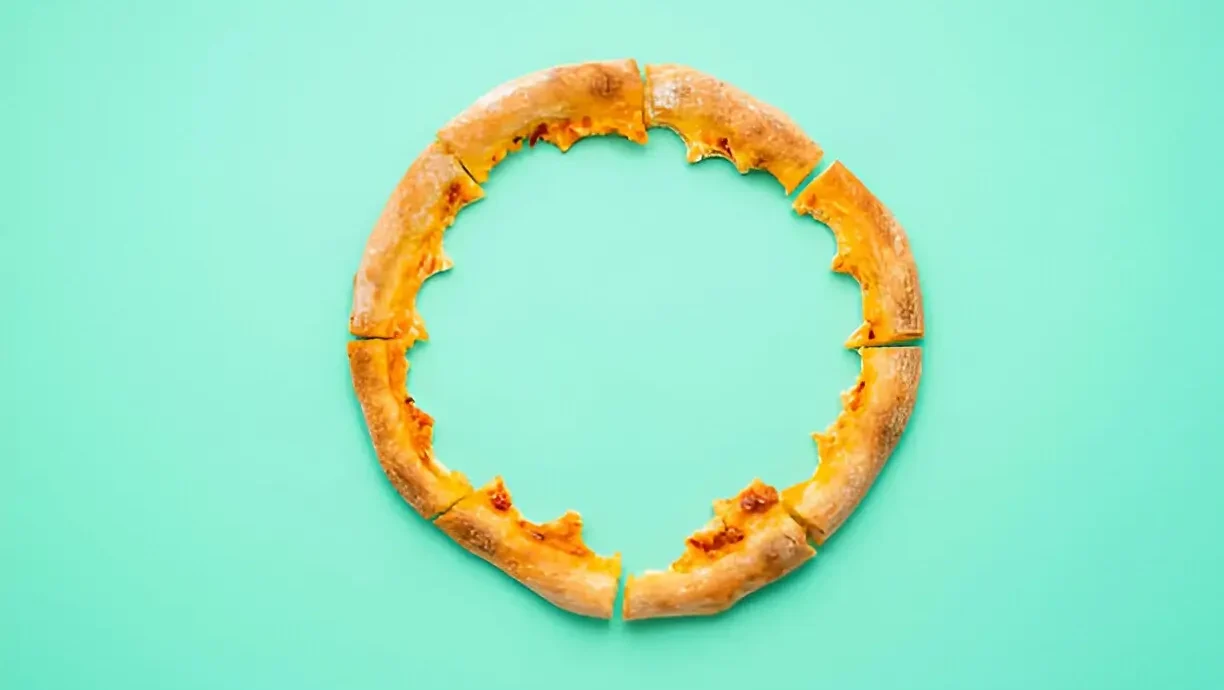
What would you say if I told you that most pizza lovers miss out BIG TIME?
Depending on your region of residence, you may have yet to try too many PIZZA flavours and crusts. I know we would eat it in any form as long as it’s pizza, but what if I tell you that you can make your experience even yummier?
In this article, however, we will only discuss the different types of crusts for pizza so you can choose the best option to satisfy your palate even more. They say, “Surround yourself with pizza, not negativity.” We agree, it is undoubtedly true.
In addition to the two main types, thick and thin, there are many other styles of pizza crust, each with its distinct toppings and method of making.
What is a Pizza Crust? What is it Made Of?
Pizza crust usually refers to the bottom of the pizza, which is made of perfect pizza dough, which you can top with anything you like to have on your pizza.
Depending on how it is made and baked, decide whether your crust is thick, thin, panned, flatbread, deep-dish, or any other options. Pizza dough comprises flour, water, yeast, salt, sometimes sugar, and oil.
Types of Pizza Crusts
The following are the different types of pizza crust:
1. Thin-Crust Pizza
In my experience, a thin-crust pizza is perfect for those who enjoy a lighter meal without sacrificing flavour. I have often chosen thin-crust pizza for a satisfying yet guilt-free option, especially while balancing indulgence and healthy eating.
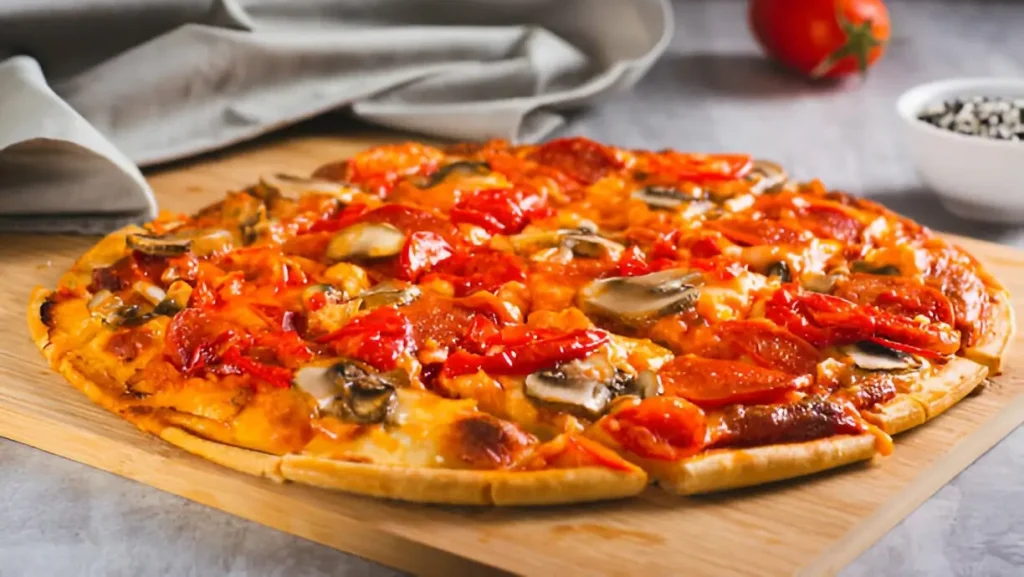
Diet-conscious people, crisp lovers, and those looking for something light typically go for a thin-crust pizza. A recent survey showed that around 77% of pizza lovers worldwide prefer thin-crust pizzas.
Two popular thin-crust pizza types are:
I. Neapolitan Crust
Neapolitan thin-crust pizza origin is from the 1600s in Naples, Italy, mostly by the lower class. They began only with fresh tomatoes on flatbread. Tomatoes are cheap, and bread is cheaper low cost, perfect. Standing in the bustling streets of Naples back then, you would see locals grabbing these affordable, handheld meals to fuel their long work days.
It was street food, but with a soul. Known by the natives as Pizza Napoletana, a Neapolitan crust pizza is a thin-crust pizza known for its simplicity.
So expect to avoid seeing onions, olives, or other fancy toppings. It’s just some sauce, basil, herbs, olive oil, and fresh mozzarella, not necessarily only tomatoes on bread like in the early days.
II. New York Style Crust Pizza
I remember visiting a bustling pizzeria in New York City, where I watched a skilled chef hand-toss the dough to create the perfect New York-style crust. Originating in the 1900s when Italian immigrants brought their favourite food to the city, this pizza recipe has since blended with Americans’ rich flavours and choices.
A New York-style crust pizza is a large, thin, hand-tossed pizza with crispy and relatively thick edges but a soft inner part. It is topped with tomato sauce, mozzarella cheese, and vegetables, and you can add sausages or pepperonis if you prefer.
2. Thick Crust Pizza
A thick-crust pizza has a crust of at least ½ inches or more, up to ¼ inches, and a soft and chewy texture. Thick-crust pizzas are ideal if you are looking for a meal. They have more calories than thin-crust pizzas and can take more toppings.
It takes longer to cook but is worth the wait. According to a US survey, around 47% of pizza lovers prefer thick-crust pizzas.
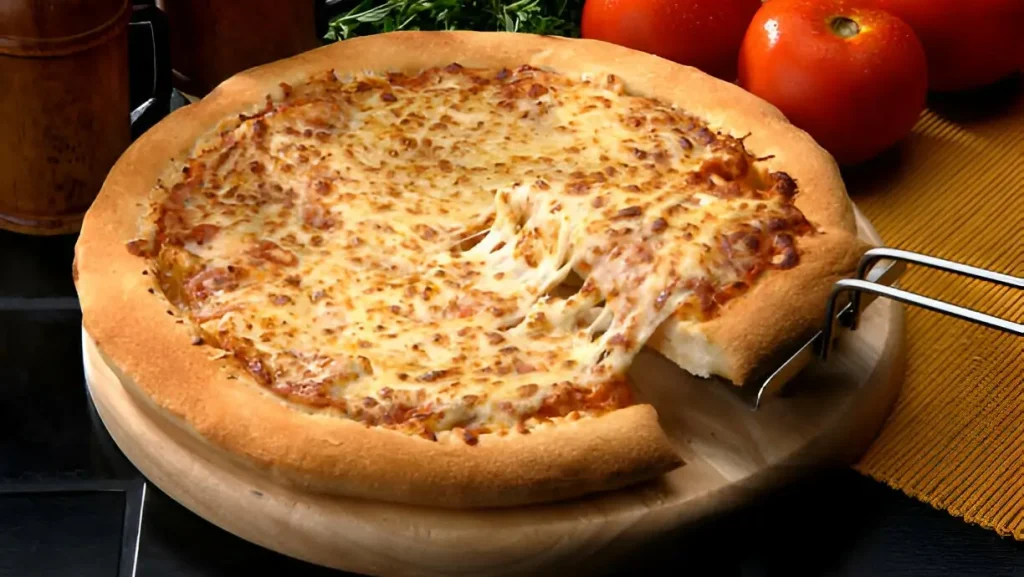
The two most preferred types of thick-crust pizza are:
I. Sicilian Crust
Sicilian crust pizza is rectangular with an ultra-thick crust. It originated in Sicily, Italy, in the 1900s, when the Sicilians immigrated to the United States.
For example, during my research, I learned that the original Sicilian sfincione crust, known for its spongy and bread-like texture, was traditionally topped with anchovies, onions, and breadcrumbs, reflecting the region’s resourcefulness and use of local ingredients.
American bakers adapted the original Sicilian crust pizza by replacing the oniony base with tomato sauce, using mozzarella instead of caciocavallo cheese, and altering its shape to a rectangle.
II. Detroit Style crust Pizza
Originating in 1946 in Detroit, Michigan, Detroit-style pizza was baked in rectangular steel trays typically used for industrial purposes because the baking trays of the time were not quite appropriate for this pizza.
Detroit-style crust pizza is topped with cupped-shaped pepperonis (they become cup-shaped after being baked because of their smaller pizza size and thicker volume), Wisconsin brick cheese, and fresh mozzarella.
It usually comes in 8 x 10 and 10 x 14-inch sizes. The crust is super thick and crunchy.
3. Stuffed Crust Pizza
A stuffed crust pizza has cheese or other ingredients stuffed into its outer edge. Biting into a stuffed crust pizza is like discovering a hidden treasure just when you think the slice is over, the gooey, flavorful surprise in the crust takes the experience to another level.
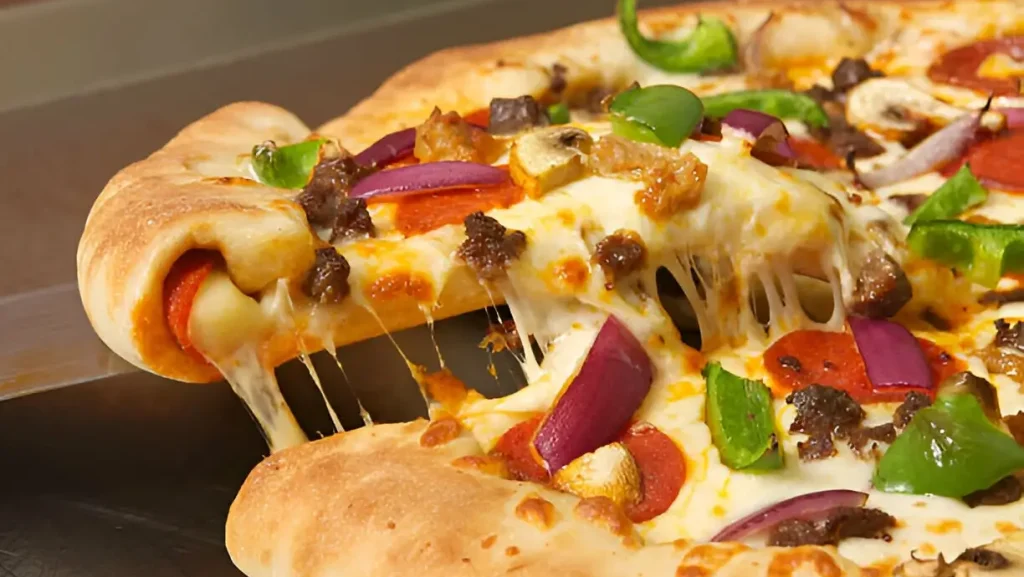
So, where did this extra-flavored crust pizza come from? Anthony Mongiello, cheesecake maker from Brooklyn, got a patent for Stuffed Crust Pizza in 1987. Putting cheese inside the crust was a clever idea to make it more exciting. Still, Pizza Hut made it popular in 1995, which led to a $1 billion lawsuit from the Anthony family.
Today, many pizza places, such as Domino’s and Pizza Hut, sell stuffed crust pizzas. People love them because the crust isn’t boring anymore it’s filled with cheesy goodness. The pizza is topped with jalapeños, olives, pepperoni, sausages, tomato sauce, and cheese.
4. Gluten-Free Crust Pizza
Gluten-free crust pizzas are not made of typical wheat flour but gluten-free starches and flour because they are targeted at gluten-intense or diet-conscious customers. These flour and starches can come from various sources, including almonds, rice, corn, beans, potatoes, and tapioca.
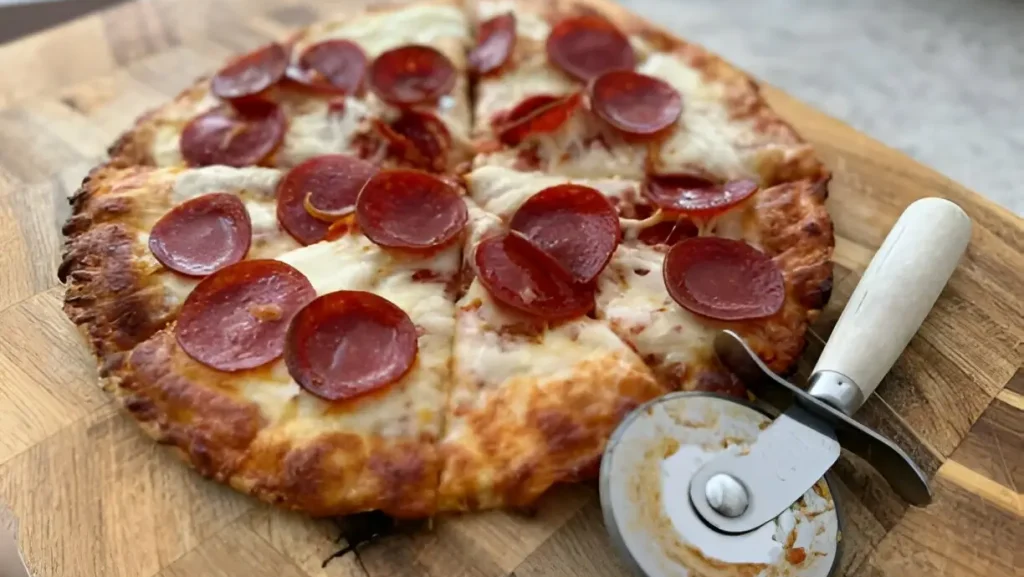
Other than flour, the sauces used in gluten-free pizzas are different to ensure they do not contain any gluten-containing additives. Fresh meat is used instead of processed meat like pepperonis or sausages. You can get a gluten-free pizza anywhere by placing an order.
5. Flatbread or Lavash Crust Pizza
A flatbread crust pizza made of Lavash originated in Armenian and Middle Eastern cuisines. Lavash is a fancy term for a thin flatbread baked until crispy. Compared to traditional thin-crust pizzas, Lavash offers an even crispier texture and a unique nutty flavour, making it an excellent base for lighter, gourmet toppings.
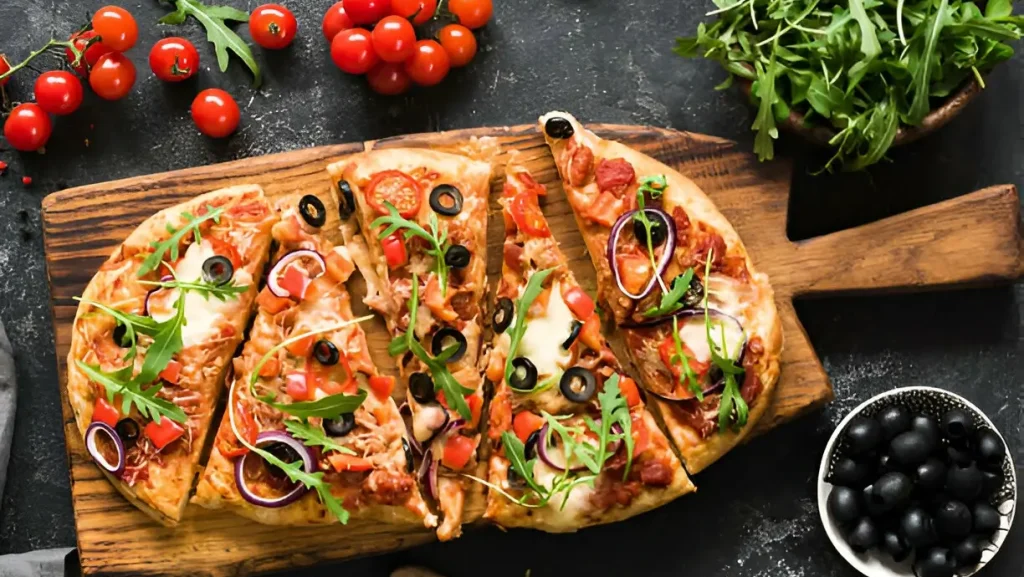
You can top it with your favourite pizza ingredients, including mushrooms, caramelised onions, cheese, roasted garlic, pepperoni, tomatoes, basil, etc.
6. Whole Wheat and Healthy Crust Pizza
Whole wheat crust pizza is made of whole wheat flour instead of the regular white refined flour used for pizza making. Whole wheat pizzas are healthier than white flour because they contain more fibre, minerals, vitamins, and whole grains.
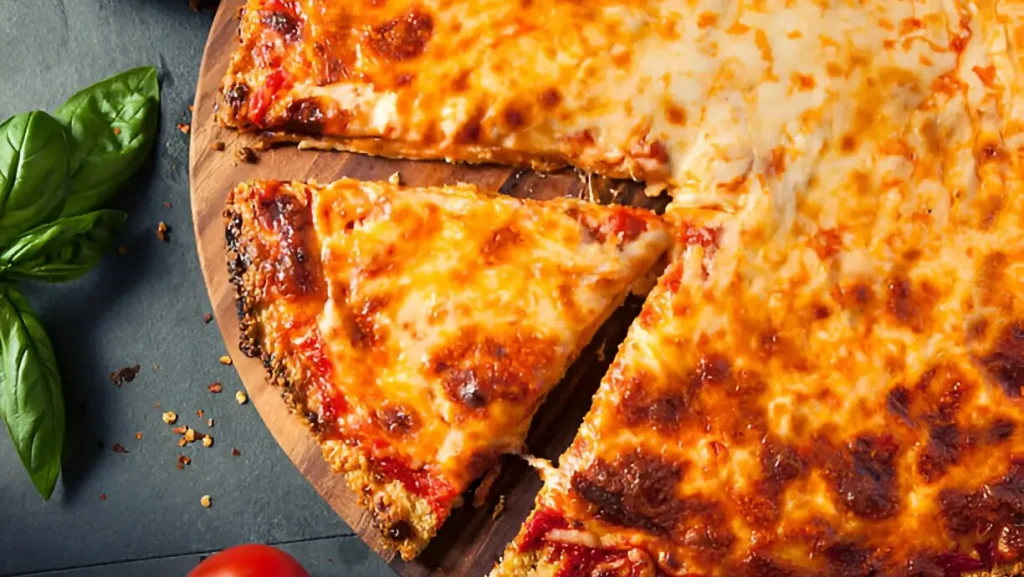
Some people do not even care about their health benefits taste matters to them. Whole wheat crust pizza has this sweet, earthy taste that many cultured pizza enthusiasts like. The crust of this pizza is similar to naan in Mediterranean cuisine.
7. Chicago Style Crust
Originating in Chicago, Illinois, Chicago-style deep-dish pizza comes with a very thick crust (2-3 inches) that resembles a pie than a pizza.
I had the chance to try an authentic Chicago style pizza at a popular pizzeria in the city. The buttery crust and its rich layers of cheese and toppings made the pizza feel more like a meal than a snack.
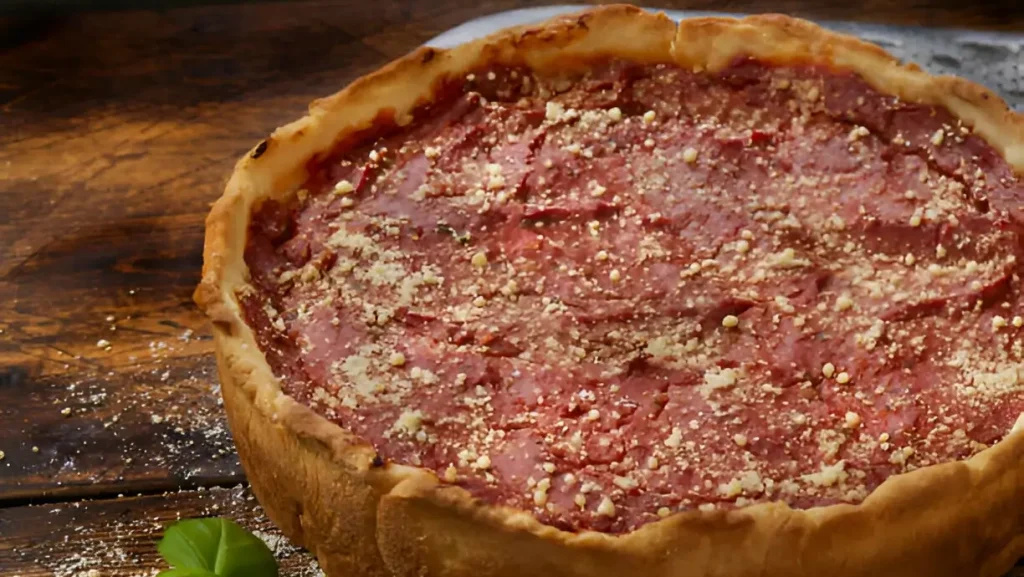
It is baked in a round pan and is distinguished by its layered construction of cheese, meat, and vegetables. It includes typical pizza toppings like pepperoni, sausage, mushrooms, onions, and peppers, but in larger quantities to match the thick crust.
8. Cauliflower Crust Pizza
As the name suggests, Cauliflower Crust pizza has a thin crust made from cauliflower instead of regular flour. This twist on pizza became a hit with people looking for healthier options or those who cannot eat gluten.
It became popular in the 2000s and 2010s as a keto-friendly, low-calorie, and gluten-free option to regular pizza crusts. Even if you are not on a diet, it is a great choice for trying something different while enjoying your favourite flavours.
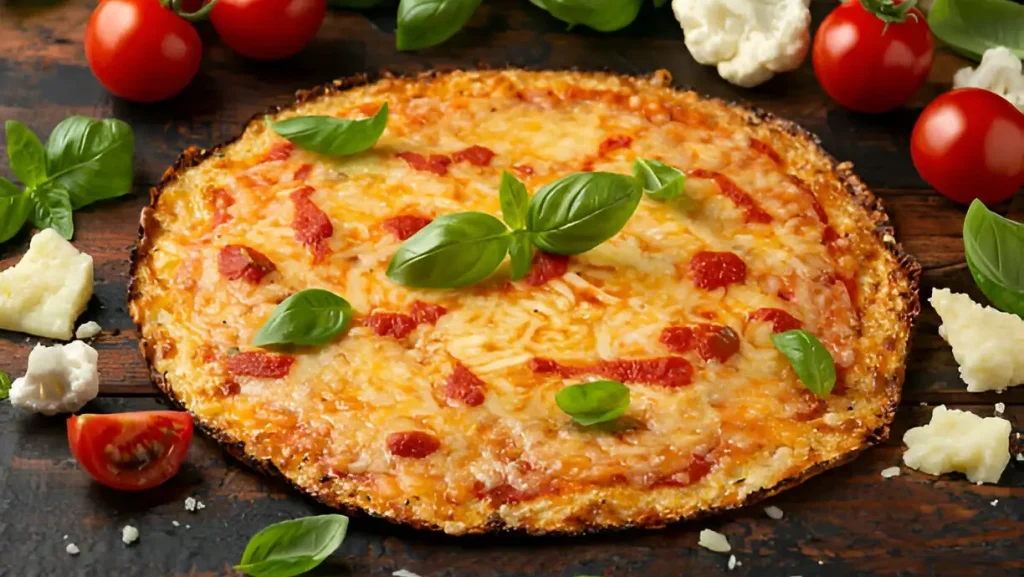
You can add any toppings you like. The most common ones on a cauliflower crust pizza are sausages (chicken/beef), pepperoni, cheese, mushrooms, basil, olives, etc.
9. Focaccia Crust Pizza
Focaccia crust pizza is made with a focaccia crust, a leavened Italian flatbread lighter, airy and fluffier than traditional pizza dough. The fluffiness makes the crust appear thicker.
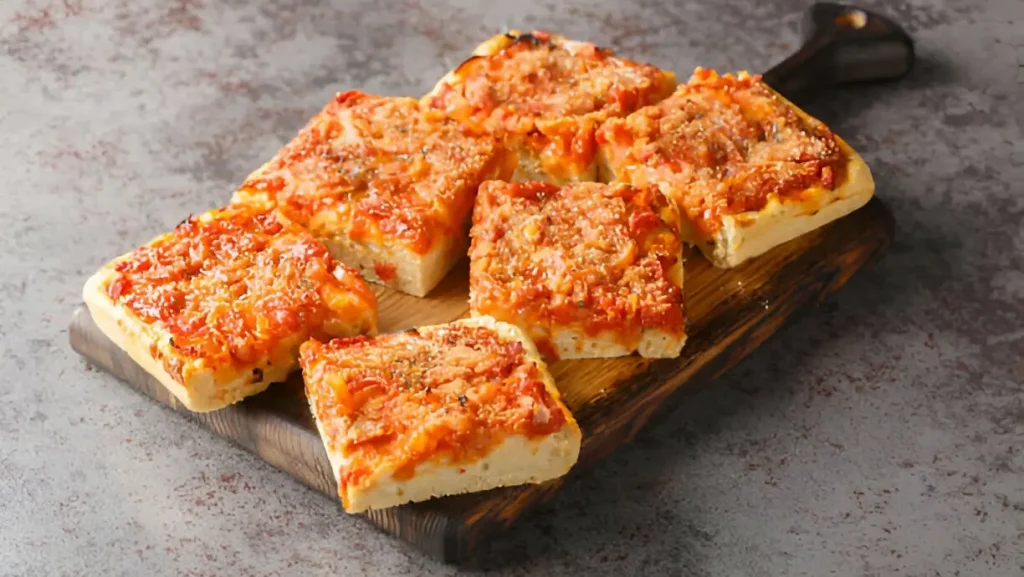
What makes its crust so airy? Comparatively, more yeast is added to the dough, making it lighter and airier, giving it a fluffy texture. It can be topped with pepperoni, olives, mozzarella, ricotta, and candied jalapeños and is baked at 375°F (190°C) for 5–10 minutes in a pan.
10. Pan Pizza Crust
The pan pizza crust is a thick and fluffy crust baked in a deep dish pan, but not in a Chicago-style deep dish or cast-iron skillet at a high temperature for about 15 minutes.
When I tried making pan pizza at home, I discovered that using a generous amount of oil in the pan creates signature golden, crispy edges while keeping the centre soft and airy. Pizza Hut popularised this pizza.
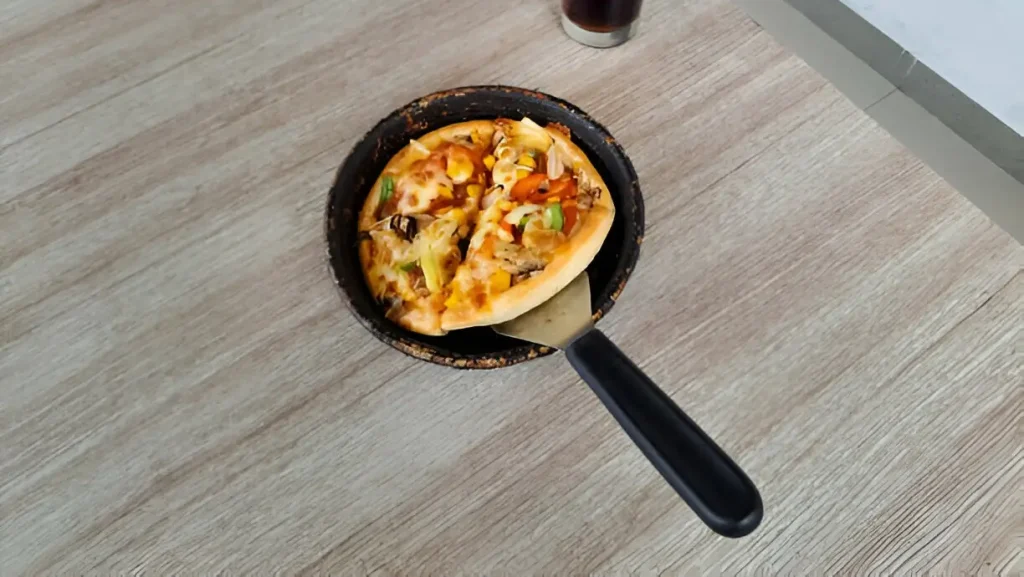
The edges are crunchy, and the middle is soft a traditional sequence of toppings, i.e., sauce first, cheese, and then the rest.
Conclusion
The crust is the base of a pizza and is essential to judging the taste of a quality pizza. That is why different pizza crusts are essential and delicious. There are three different types of pizza bases: thin crust, thick crust, and stuffed crust. Pizzas with the same crust are generally the same.
I have discussed many pizza types based on crust types, so you can choose your favourite type and then add all other toppings for a perfect, luscious meal.
Frequently asked questions
What is the healthiest pizza crust?
The healthiest pizza crust is made of whole wheat. It is rich in fibre, vitamins, and whole grains.
Which pizza crust is the crispiest?
Almost all thin-crust pizzas have crispy crusts, but the crispiest crust is that of a New York style pizza.
How do you make pizza dough crispy?
To make the pizza dough crispy, follow these steps: I. Roll out the dough to be thinner. II. Brush the crust with olive oil. III. Avoid overcrowding toppings. IV. Use a high-heat microwave to bake it.
Reader comments
Tried this oven, tool, or recipe? Share how it went — real experiences help other home pizza makers.