

Making the perfect pizza dough is more than just a recipe. When you combine pizza dough with poolish, you achieve a new level of flavour. This technique has roots in traditional French baking, which explains why it is all about adding layers of complexity to your dough.
The process is clear. Mix flour, water, and just a bit of yeast, then let it ferment overnight. The result will be a spicy, bubbly starter that works magic when folded into your final dough.
If you are a home pizza enthusiast seeking the gold standard, using pizza dough with Poolish is different.
What is Poolish?
A poolish is a pre-fermented starter that is added to pizza dough. Previously, poolish was confined to making baguettes, but nowadays, poolish pizza dough has become the best alternative for regular pizza dough.
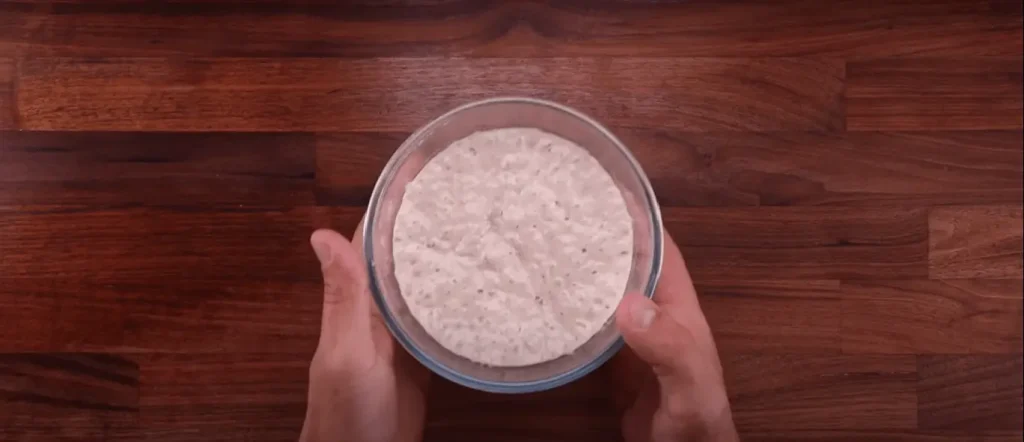
It requires very little preparation time and more time for fermentation. A poolish is prepared by mixing equal parts of flour and water with a small amount of dry yeast.
What makes Poolish Unique?
Along with professional poolish pizza makers, any home cook can easily incorporate poolish in making pizza dough, even for styles like Chicago-style Deep Dish Pizza. Poolish pizza dough contains equal parts of water and flour, which can achieve 100% hydration.
Poolish pizza dough includes a balanced amount of water and flour (1:1), which makes the sponge a little wet. Baking the poolish pizza dough will produce a pizza base that is much lighter, airier, stretchier, and more pleasant to eat than regular pizza dough.
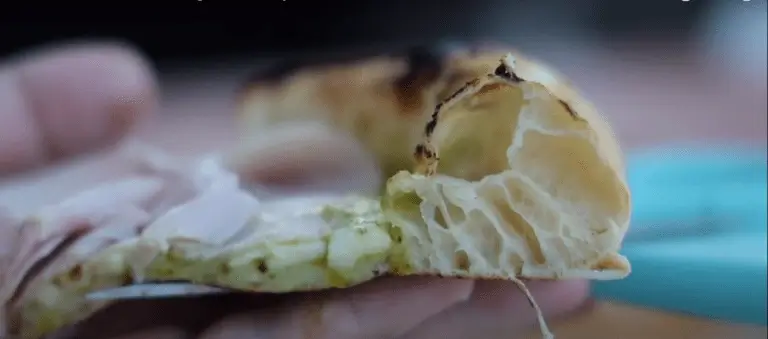
Preparing poolish itself takes about 5 minutes and minimal work. From my attempts, I found that its simplicity is one of its biggest advantages, especially for beginners who might be scared by more complex methods.
For instance, I extended the fermentation to 16 hours instead of 12, and the resulting dough had a noticeably richer flavour and a softer texture.
Why Use Poolish in Pizza Dough?
Using a pizza poolish for your dough is simpler and produces better results. Sourdough can work, but most of the time, it tastes too acidic. It does not have to, but avoiding that too-sour flavour takes some severe accuracy. You must carefully feed, store, and wake up your sourdough starter.
If you already have a great sourdough starter in your kitchen, by all means, use it for your pizza dough. The pizza poolish method is extremely reliable and gets the job done beautifully.
How Much Poolish To Use In Pizza Dough?
Bakers normally use poolish at 20-50% of the total flour weight in the final dough to prepare the best poolish pizza dough recipe. If you work with 1,000 grams of flour, you set aside 200-500 grams for the poolish.
When I experimented with using 50% poolish, I noticed that the bold, tangy flavour imparted to the dough was perfect for thinner, crispy pizzas. Why the range? It is all about balancing fermentation time and flavour.
Higher percentages closer to the 50% mark give you a dough with a bold, acidic fermentation flavor and a beautifully light, airy crust. In contrast, when I used 20%, the dough was easier to handle and gave a heartier texture, which paired well with thicker, deep-dish-style pizzas.
However, sticking to the lower end at 20% results in more fine flavours and a slightly thicker texture (think hearty, not heavy).
What is the ideal hydration for Poolish Pizza Dough?
65% hydration is ideal for poolish pizza dough. The hydration depends on several factors, including the flour you use. Fine flour should have factly balanced proteins such as glutenin and gliadin.
These proteins form gluten when mixed in water and increase the strength of the dough, allowing it to be easily moulded into any shape.
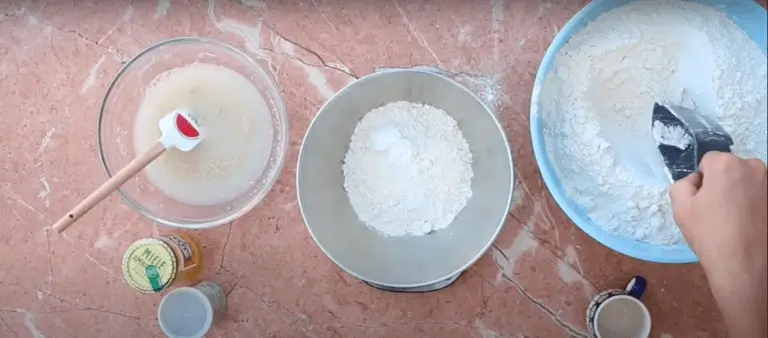
The fineness and strength of flour, combined with the efficiency of commercial pizza ovens, will add to the softness and stretchiness of poolish pizza dough.
The kneading technique is another factor that positively affects the hydration of poolish pizza dough.
Is Poolish A Sourdough
No. Poolish and sourdough are two different types of preferments. Poolish is a simple mix of equal parts flour and water plus some commercial yeast. It ferments quickly and adds a soft, fine flavour to bread or even poolish pizza dough, which has become a favourite for its light texture.
Sourdough ferments over a long period using wild yeast and lactic acid bacteria. It creates bread with a deep, sour flavour that you cannot rush.
Poolish Vs Sourdough
Poolish ferments for a short time usually 8 to 16 hours and gives the bread a mild, slightly sweet flavor. Commercial yeast provides consistent results, making Poolish the best choice for bakers who want predictability without surprises.
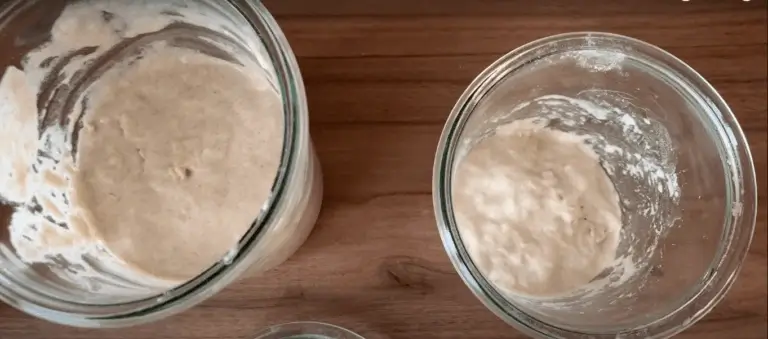
A sourdough starter is a naturally fermented mixture of flour and water that pulls in wild yeast and bacteria from the environment. This process takes its time several days, in fact and creates bread with a sour, complex flavor and a delightfully chewy texture.
- Hydration Levels
Their hydration levels also set them apart. Poolish has a 100% hydration level, meaning equal weights of flour and water. Sourdough with hydration levels ranging from stiff (low hydration) to liquid (high hydration).
This variation affects both fermentation speed and the flavour complexity in the final loaf.
- Which One to Go For?
How do you decide between a poolish and a sourdough starter? It comes down to what you are looking for. Poolish is simple and quick and gives consistent results with a mild flavour.
One baker I spoke with described Poolish as their ‘weeknight hero,’ perfect for quick, satisfying results. It is also perfect for beginners or those on a tight schedule.
Sourdough is for those who love a challenge. It takes more time and care but rewards you with a deep flavour that artisan bakers talk about. Many professional bakers recommend starting with poolish to master fermentation before diving into the complexities of sourdough.
For a visual explanation of the differences between sourdough and poolish, you might find this video helpful:
How To Make A Poolish For Pizza Dough: Step By Step Guide
Here is the step by step guide to make poolish for pizza dough:
Step 1: Gather Your Ingredients
To make a poolish, you will need:
- Flour: High-protein bread flour or ’00’ flour works best—it is all about that perfect gluten structure.
- Water: Filtered water at room temperature is perfect.
- Yeast: Just a tiny pinch of instant or active dry yeast (around 0.1% of the flour’s weight).
The standard poolish recipe ratio is simple: equal parts flour and water by weight. For example, mix 300 grams of flour with 300 grams of water and a small bit of yeast.
Step 2: Mix It All
Get a bowl and mix the flour and yeast first. Then, slowly stir in the water until everything is thoroughly mixed. The result? A batter like consistency not as thin as water but not as thick as dough. Just make sure there are no dry flour pockets in there.
Step 3: Cover and Mark
Cover the bowl with plastic wrap or a damp cloth to keep your poolish from drying out. A tip for you: Mark the initial level on the container with tape or a marker. This makes it very easy to track how much it rises during fermentation.
Step 4: Let It Ferment
Let the poolish leave at room temperature (between 21°C and 24°C, or 70°F to 75°F) for 12 to 16 hours. This gives the flavours and gluten time to develop. If you need to stretch the fermentation time beyond 12 hours, just put it in the fridge to slow things down.
Step 5: Check for These Signs
When it is ready, your poolish will check all these boxes:
- Volume Increase: It should have doubled in size.
- Surface Bubbles: Numerous bubbles indicate active fermentation.
- Aromatic Scent: A pleasant, slightly sweet aroma with mild acidity.
- Elastic Texture: The mixture should be stretchy, indicating gluten development.
Recommended Pizza Toppings for Poolish Dough
Skipping heavy, greasy toppings for pizza dough using Poolish is recommended. Why? Because they can mess with the dough’s light structure and let’s be honest, no one wants a watery crust.

Poolish dough, with its airy texture and slightly sour kick, works fine with high moisture ingredients like fresh mozzarella and ripe tomatoes. These balance the crust’s crispness.
Try toppings like prosciutto or arugula. They add a delicious energy without destroying the dough’s taste.
Common Problems & Solutions
Here are some mistakes to avoid while making poolish for pizza dough:
1. Too Fast Fermentation
Rushing fermentation can destroy your product; when temperatures rise, yeast works overtime, but not in a good way. Take bread making, for example.
If your dough ferments above 30°C, it can overproof. The result will be a crumb structure that is way too rough and has a sour flavour.
To avoid this, go for a fermentation temperature between 24°C and 28°C. Tools like thermostatically controlled fermentation chambers can keep things in check.
2. Too Slow Fermentation
When fermentation slows, the result is thick textures and no flavours. Low temperatures or lazy yeast are often to blame. Drop below 18°C, and your fermentation might be delayed. To fix this, keep things in the middle: 18°C to 22°C.
And do not forget using lively, viable yeast is a must. Track progress with specific gravity measurements to catch and fix downshifts before they destroy the process.
3. Not Rising
Few things are more painful in baking than a dough that refuses to rise. It is dense, lifeless, and not fooling anyone. The usual issue is ineffective yeast. Imagine you grab a packet of expired yeast, and instead of risen dough, you get… well, not much.
Avoid this by constantly checking yeast freshness and storing it right. Want to impress with a smooth, poolish pizza recipe crust? Learn the basics of dough handling, and you are halfway there.
4. Overly Sour Smell
That sour smell during fermentation usually means that things have gone too far. Over-acidification happens when fermentation drags on or when unwanted bacteria come.
Bonus tip: Use a pH meter to monitor acidity levels.
Yogurt makers know this pain leave it too long, and the lactic acid levels spike. Stick to the recommended fermentation time and keep everything clean.
Poolish Pizza Dough Recipe FAQs
How long can I store the poolish?
Can I freeze the dough?
What if I don’t have 16 hours for the poolish?
Conclusion
Poolish pizza dough is an advanced alternative for pizza making techniques that adds depth of flavour and improves the texture and sustainability of pizza dough.
Poolish pizza dough is good for people who are gluten intolerant because a long fermentation period and less amount of yeast used in poolish make the pizza easy to digest.
You can also try this technique at home because it is followed by simple and easily available ingredients that add the best possible depth of flavour to your pizza.