

Pizza is a global icon of happiness, from its cheese and delicious toppings to that tasty smell. As you enjoy a slice, you might notice your dog staring with those big, hopeful eyes, practically begging for a bite. But is pizza ok for dogs? Before you share your slice, it is worth thinking twice.
The answer is not as simple as a yes or no. Every part of a pizza from the crust to the toppings has a role, and not all are dog friendly.
Let’s break it down and get to the bottom of this cheesy debate. That way, you will know how to keep your pup safe.
Is Pizza Bad for Dogs?
While feeding pizza to dogs might seem harmless, it can cause severe health problems. Ingredients like onions and garlic are toxic to them. When I once accidentally left a slice of pizza unattended, my dog grabbed it. Later that day, she seemed unusually lethargic, prompting a quick call to my vet.
Then there is the high fat content in cheese and some meats this can lead to pancreatitis, which is as bad as it sounds. And let’s not forget the excessive salt too much can cause sodium ion poisoning.
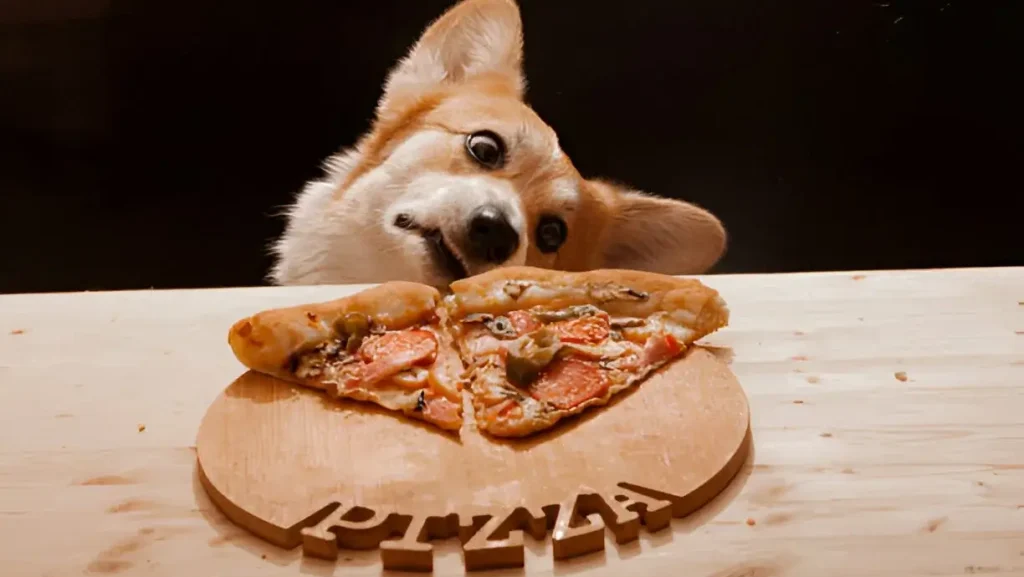
Even the crust is not innocent; all those carbs can contribute to obesity.On Reddit, many users have shared horror stories of their dogs eating pizza and having digestive issues.
Why Dogs Are Attracted To Pizza Smells?
Ever wonder why your dog loves pizza so much? It is all about their incredible sense of smell and the irresistible aroma pizza gives off. With a nose packed with around 300 million olfactory receptors compared to our 6 million dogs can sniff out even the tiniest hints of a scent.
Pizza’s unique mix of meats, cheeses, and spices creates a rich, complex smell compelling to their super-sensitive noses.Also, dogs are naturally curious about bold, new scents a trait called neophilia making pizza’s particular smell even harder to resist.
What’s in the Pizza that Makes it Unhealthy for Your Dog?
Let’s have a look at a few ingredients that may prove harmful to the dog’s health if they snack too much on pizza.
I. Pizza Sauce
Most pizza sauce recipes have tomatoes as a base, which can be tempting to some dogs. Pizza sauce also contains spices and herbs to enhance the flavor.
The key ingredients of sauce, garlic, and onion powder make it more hazardous to the digestive system of dogs. Also, the sugar and carbohydrate content in pizza sauce is high, roughly 10 grams of sugar and 15 grams of carbohydrates per cup.
II. Onion and Garlic
Onions and garlic are the worst to add to any dog’s diet. These two are highly toxic to dogs’ health. During a vet visit, I learned how even small amounts of garlic powder in leftover foods could harm dogs, leading to anaemia over time.
Dogs become anaemic with these ingredients, which damage their red blood cells, causing a low supply of oxygen to their bodies.
III. Cheese
Nobody can resist cheese. We all drool over the melted, oozing cheese topped on the pizza straight out of the oven. Our dogs also love them, as we do! For those concerned about their pets, alternatives like a no-cheese pizza recipe might be worth considering.
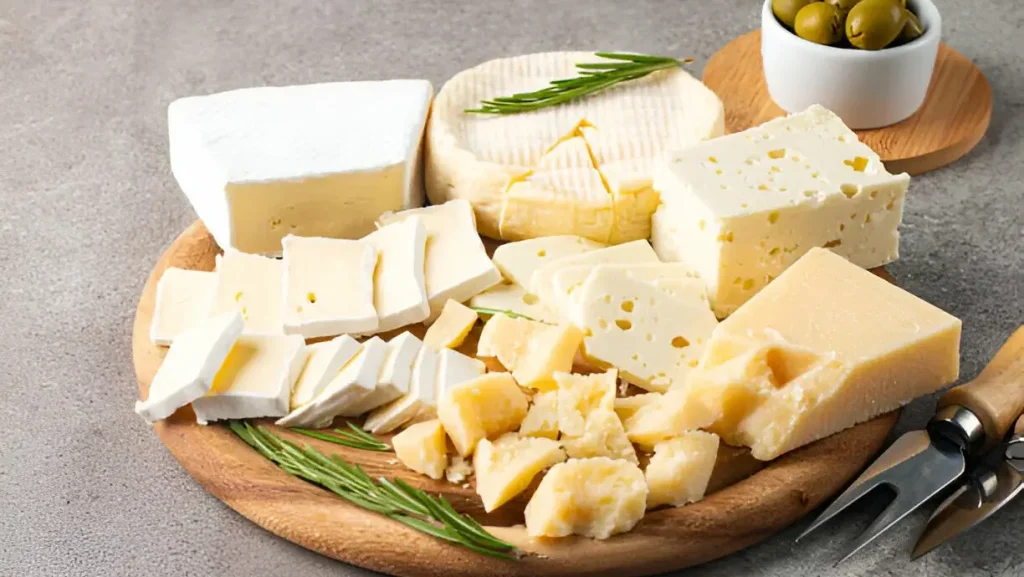
But does the cheese love them back? To clear that out, cheese is not proven to be as harmful as other ingredients in the pizza. Exceptions come in cases where dogs are lactose intolerant or have a sensitive digestive system. Also, treating your dogs occasionally with mozzarella or cheddar cheese toppings is safe.
IV. Processed Meat
Dogs are carnivores whose bodies are meant to feed on flesh and meat. Treating your dog with processed meat on pizza would surely be safe. Well, here again, the answer is not what you think.
Processed meat in pizza toppings like bacon and pepperoni is not good for your dog’s health. They contain high fat and sodium content, disturbing dogs’ digestive systems. Highly processed meat can cause weight gain, leading to other potential health issues in dogs.
What Happens if a Dog Eats Pizza?
Pizza can cause some serious health issues for dogs mainly digestive problems and even potential toxicity.
I. Possible Digestive Issues
Pizza is loaded with fats and oils, which do not sit well with a dog’s stomach. Eating greasy foods like this can lead to diarrhoea, vomiting, and, yes, a miserable pup.
In some cases, the high-fat content could even spark pancreatitis a painful condition where the pancreas becomes inflamed. Even one slice could prevent these symptoms, especially if your dog has a sensitive stomach or any underlying health issues.
II. Allergic Reactions
Feeding your dog on pizza crust can trigger some allergic reactions. Some dogs are gluten intolerant and are sensitive to wheat, cheese, and dairy products. The pizza crust is based on wheat flour, which may cause severe allergic reactions in their bodies, such as skin rash, itchy skin, breathing difficulty, dermatitis, and skin redness.

If your dog is gluten-intolerant, try this vegan and gluten-free flour to make pizza dough that won’t hurt your pet’s stomach. It is made with simple ingredients, certified gluten-free, non-GMO, grain-free, corn-free, paleo-friendly, and plant-based products.
III. Signs of Toxicity
Some classic pizza ingredients like garlic and onions are more than harmful to dogs; they are dangerous. These contain compounds that can harm your dog’s red blood cells, leading to anemia. If you notice signs like weakness, pale gums, or your dog is tired, it is time to call the vet.
Likewise, there is the salt factor. Pizza is salty; too much salt can lead to excessive thirst, frequent urination, or, in extreme cases, sodium poisoning. Symptoms are vomiting, diarrhea, and even seizures.
Can Dogs Eat Pizza Crust?
No. Most of us leave behind pizza crust, which usually goes to waste. But having a dog around you means that those leftover pieces of pizza crust become their treat. I remember the time I shared a small piece of crust with my dog during a family pizza night it felt harmless, but it made me curious to research its impact on her health.
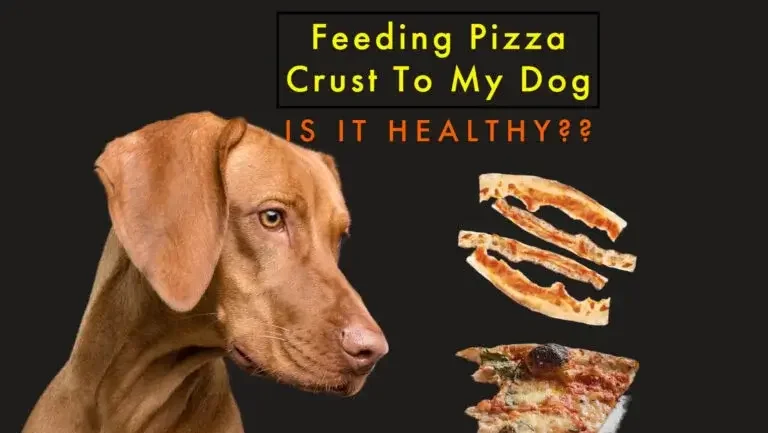
This small treat on an occasional basis would not harm your dog; however, it should not be part of the diet. Pizza crust with no topping is less nutritionally valuable and is unlikely to cause dogs any severe illness than a whole slice of pizza, but remember that moderation is key!
What to Do if Your Dog Eats Pizza?
I. Observe Signs and Symptoms
Watch out for your dogs for signs and symptoms that trigger a disease or health condition. Observe their stomach activities, signs of bloating, etc., as they may be caused by excessive gluten intake or if your dog is gluten intolerant.
Skin redness, itching, heavy breath, and discomfort are signs of an allergic reaction. You should observe these symptoms so that you can better assess your dog’s condition during a veteran consultation.
II. Feed the Dog Light Meals
Once your dog recovers, could you not feed them a heavy diet? Start slowly with light, unseasoned, boiled, and bone broth, then gradually increase their diet’s nutrition value.
You can try this light meal if your dog is recovering from illness. It is a 100 percent complete, balanced, small-breed adult dog food with 23 essential vitamins and minerals optimal for your dog’s health.
III. Keep Your Dog Hydrated
Your dog will tend to lose a lot of fluids through diarrhea and vomiting. You must keep them hydrated to prevent progression into a serious health condition.
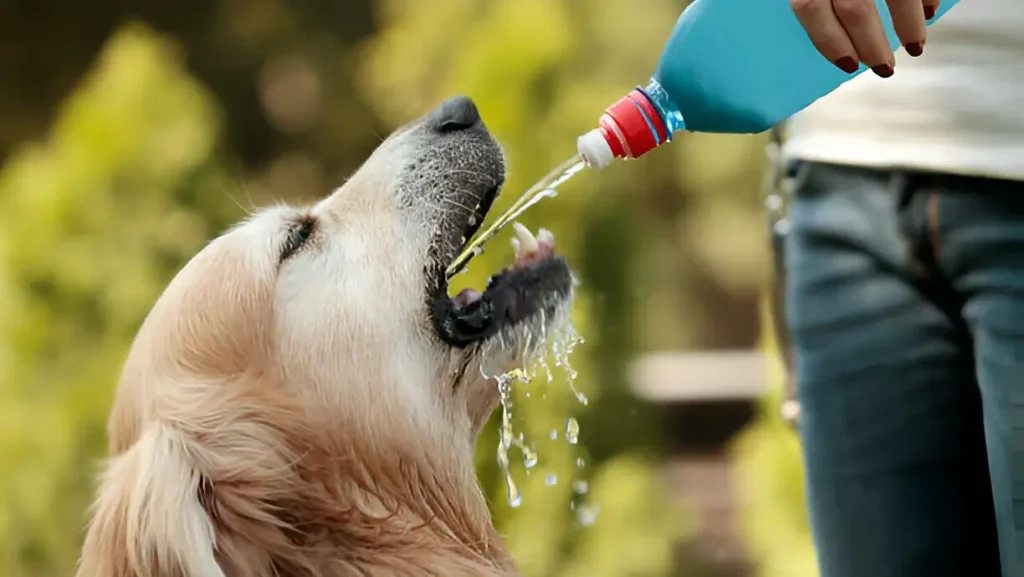
Keep a bowl of fresh, cool water that is easily accessible so they can drink it when needed. As I learned from a pet nutritionist during a similar incident, consulting a vet for electrolyte supplements might be necessary in severe cases.
Healthy Alternatives to Pizza for Dogs
The following are a few alternatives to pizza for dogs:
1. Watermelon
When prepared correctly, watermelon can be a refreshing and healthy dog treat. It is low in calories and packed with vitamins A, B6, C, and potassium.
However, removing all seeds and the rind before offering it to your dog is important, as seeds can cause intestinal blockages, and the rind may lead to gastrointestinal upset.
Serving small, bite-sized pieces guarantees easy digestion and reduces the risk of choking. While watermelon is hydrating due to its high water content, moderation is key to preventing digestive issues.
2. Peanut Butter
Peanut butter is good for dogs a tasty treat they cannot resist. But not all peanut butter is dog-friendly. Stick to unsalted, unsweetened varieties that do not contain xylitol. Why? Because xylitol, an artificial sweetener, is highly toxic to dogs.
Peanut butter is high in fat, so too much could lead to weight gain (and trust me, you do not want your dog giving you those “Why can’t I fit in Big Dog’s Pizza delivery box anymore?” eyes). As always, consult your vet before adding anything new to your dog’s diet.
3. Sweet Potato
Sweet potatoes might not scream “pizza crust,” but they are surprisingly healthy and dog-friendly. Slice them into rounds and bake them, and you will have a healthy base.
Add dog-safe toppings like lean meats or veggies. Why sweet potatoes? They are loaded with fibre and antioxidants, which help with digestion and overall health. Just skip harmful add ons like onions or too much cheese.
Can Dogs Eat Pizza FAQs
Are There Any Safe Pizza Toppings for Dogs?
How Much Pizza Is Dangerous for Dogs?
Why Is Cheese Not Ideal for Dogs?
Can Dogs Have Pepperoni Pizza?
Conclusion
So, can the dog have pizza? The verdict is clear: pizza and pups do not mix. While those begging puppy eyes might pull at your heartstrings, remember that every slice the dough, cheese, or toppings comes with risks your dog does not deserve.
Instead, go for healthier, dog safe treats that keep their tails wagging and their health intact. Pizza is made to make you happy, not your furry friend. Loving your dog sometimes means saying “no” to sharing your slice.